Which Jim Corbett Safari Zone Is Best? A Practical Comparison
A clear, practical guide comparing Jim Corbett's main safari zones to help you choose the best area for wildlife viewing, photography, family trips, or birdwatching during your stay in the Corbett region.
Introduction: Choosing the right safari zone
Jim Corbett National Park is divided into multiple safari zones, each with different terrain, access, and wildlife opportunities. Selecting the best zone depends on what you want to see and how you travel — whether your priority is tiger sightings, birding, landscape photography, easy access for families, or a quieter experience. This article compares the zones in practical terms and offers planning tips so you can pick the area that best matches your expectations.
How the zones differ — what to consider
Zones vary by habitat (riverine, grassland, mixed forest), visitor density, and proximity to access points. Some areas give a better chance of spotting large mammals in open grasslands; others are denser forest where sightings are less predictable but the setting is wilder. Consider factors such as travel time from your accommodation, season (visibility and animal movement change through the year), and whether you prefer booked jeep safaris or guided walks and birding trips.
Zones popular for big-cat and mammal sightings
Certain zones are widely chosen by visitors focused on seeing tigers and other large mammals because they combine core-forest habitat with open patches where animals are easier to observe. These sectors are generally recommended for first-time visitors who want the classic Corbett wildlife experience. If high visibility and larger animal sightings are your aim, look for early-morning or late-afternoon safaris in the zones known for regular vehicle access and open views.
Zones suited to accessibility, family trips and shorter visits
Some areas are easier to reach from nearby towns and are therefore better for families, groups with limited time, or visitors who prefer shorter drives. These sectors tend to have more frequent safari slots and fewer long game drives, which makes them convenient for guests staying at riverside resorts or small lodges. If you value comfort, predictable schedules and on-site activities alongside wildlife viewing, choosing an accessible zone will reduce travel time and keep excursions manageable for children or less mobile guests.
Zones for birding, photography and quieter experiences
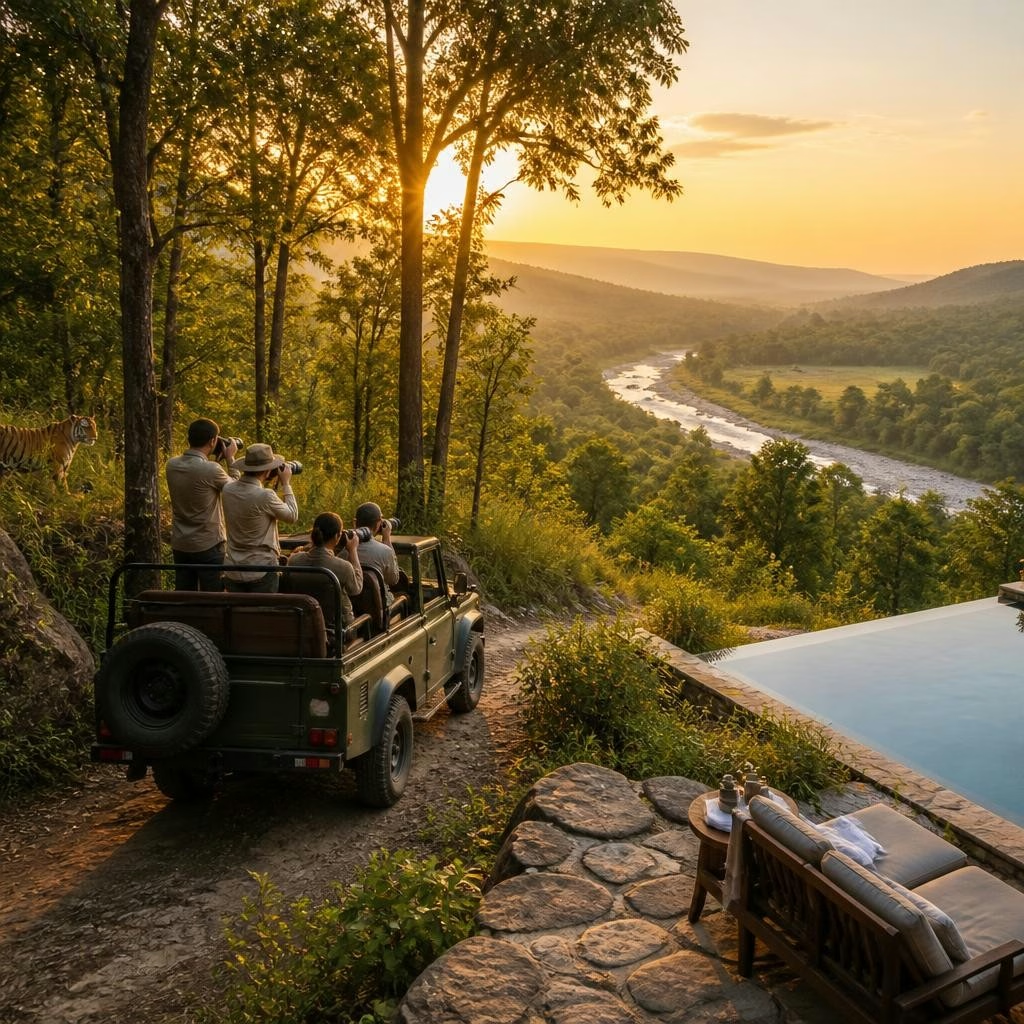
If your interest is birdlife, landscape photography or a quieter connection with nature, consider peripheral areas and dry-season pockets where habitat diversity supports a wide range of species and moods. These sectors often allow slow, patient observation and can reward visitors with unique light and fewer vehicles. Photographers who prefer scenic riverbanks, riparian forests and striking early-morning light should plan safaris that align with sunrise or late afternoon windows.
How to decide: matching your priorities to a zone
Start by listing what matters most: big-cat encounters, birding, ease of access, or a relaxed half-day outing. If you’re traveling with family and want a resort-based, activity-rich break, choose a zone that minimizes long drives and offers predictable safari timings. For dedicated wildlife or photography trips, opt for zones known for core-forest habitat and book the earliest available slots. Keep expectations realistic — sightings can never be guaranteed — and plan at least one longer and one shorter outing to increase your chances of a satisfying experience.
Practical tips for planning safaris during your stay
Book safaris well in advance through the park’s official channels or authorised operators and confirm pickup points and timings before you travel. Safari slots are most rewarding at sunrise and late afternoon; bring binoculars, a telephoto lens if you photograph, muted clothing, insect repellent and water. Rely on local staff and hosts for up-to-date advice about road conditions and vehicle timing: guests at nearby riverside properties often highlight helpful, responsive service and local recommendations that make planning easier. Finally, check seasonal closures or restrictions before you finalise dates so you can match your preferred zone to what is open at the time of your visit.
Customer review


Article by